
Rann Utsav 2025 – 2026: The First-Timer’s Guide for a Perfect Trip
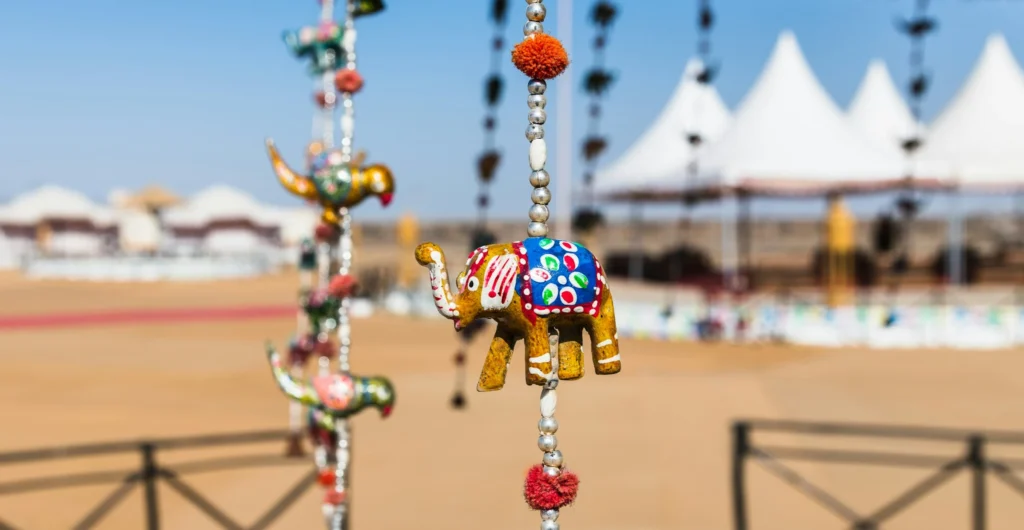
You’ve seen the photos: a vast, lunar landscape of shimmering white salt, glowing under a full moon while folk music drifts through the air. That is the magic of Rann Utsav.
But for a first-time visitor, turning that dream into a reality can feel overwhelming. How do you get there? What’s a “permit”? Where do you even stay? What should you pack for a place that’s hot during the day and freezing at night? Is it worth the hype? How much will it cost?
Relax. You’re not alone in feeling this way.
This is not just another guide that lists facts. This is your step-by-step, human-centric plan built specifically for first-timers. We’ll walk through the entire process together, focusing on logistics first, so you can plan your trip with total confidence.
Rann Utsav 2025 – 2026 Dates & Location
Rann Utsav 2025-2026 Dates: October 23, 2025, to March 4, 2026
While the festival runs for over four months, some dates are “premium” thanks to the cosmos and the calendar.
Best Time to Visit: December to February, when the weather is crisp, the salt flats are at their driest and whitest, and the cultural programs are in full swing.
Full Moon Nights: The ultimate experience. Seeing the White Rann shimmer under a full moon is an experience you will never forget. Check the lunar calendar for full moon dates in November, December, January, and February and book 4–5 months in advance (these sell out).
Festive Weeks: Diwali (October), Christmas, and New Year’s weeks are vibrant with special celebrations.
Location Clarity: The main hub is the Tent City in Dhordo village (about 80–85 km from Bhuj). However, for 2025–2026, there is a brand new focus on exploring Dholavira, a UNESCO World Heritage Site from the Indus Valley Civilization (4,600 years old), which also has its own tent city nearby.
Official Rann Utsav Website: https://rannutsav.net/
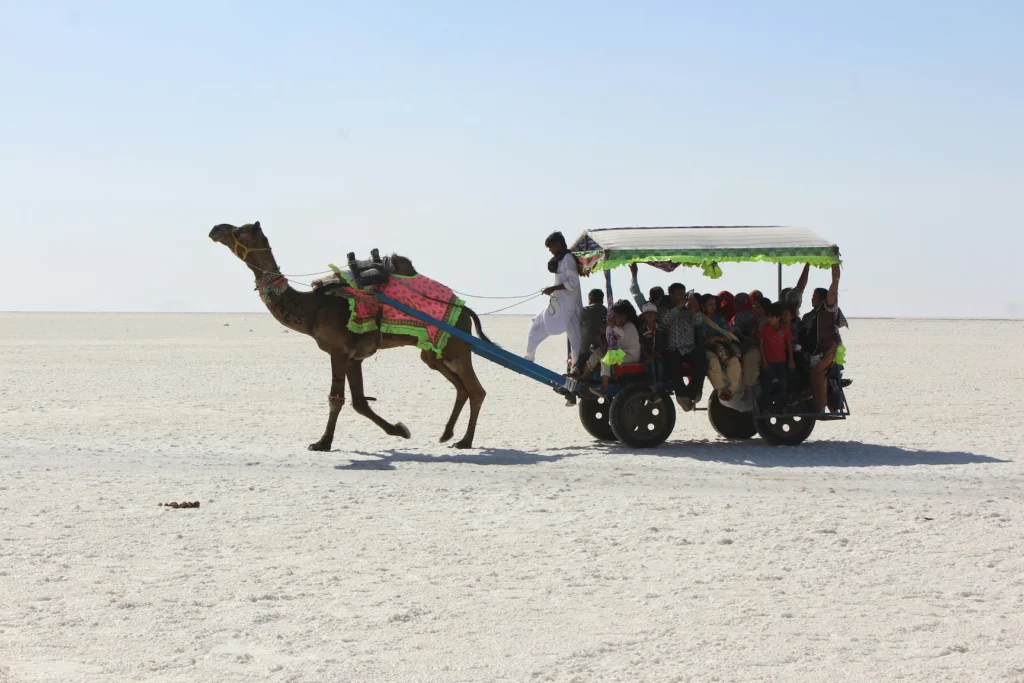
Best Time to Visit Runn Utsav
| Month | Temperature | Crowds | Price | Best For |
|---|---|---|---|---|
| October | 15–32°C | Light | Budget | Money-conscious travelers, festival setup |
| November | 12–28°C | Medium | Moderate | Best balance of weather + crowds |
| December | 10–25°C | High | Higher | Families, holiday season |
| January | 8–22°C | Very High | Highest | Full moon nights, peak experience, crowded |
| February | 12–28°C | Thinning | Dropping | Last-minute budget travelers |
Bottom Line: November or early February offers the best value and experience balance. January is magical but expensive and extremely crowded.
How to Reach Rann Utsav
This is the single biggest hurdle for first-timers. Let’s make it simple.
No matter where you’re coming from (India or abroad), your journey has two clear parts: First, get to Bhuj. Second, get from Bhuj to the desert.
Your Gateway: Why Bhuj is Your Starting Point
Bhuj (BHJ) is the main city and transport hub for all of Kutch. This is your anchor point.
By Air: The nearest airport is Bhuj Airport (BHJ). It’s a small but well-connected airport with direct flights from major Indian cities.
By Train: The nearest major railway station is Bhuj Railway Station (BHJ). It’s well-connected to cities like Mumbai, Ahmedabad, Delhi, and other major hubs.
Getting to Bhuj from Major Indian Cities
From Delhi:
- Flight: Delhi → Bhuj (2.5 hrs). Cost: ₹3,500–₹8,000
- Train: Delhi → Bhuj (direct trains, ~30 hrs). Cost: ₹800–₹2,000
From Mumbai:
- Flight: Mumbai → Bhuj (1.5 hrs). Cost: ₹2,000–₹6,000
- Train: Mumbai → Bhuj (overnight, ~20 hrs). Cost: ₹600–₹1,500
- Road: Drive to Ahmedabad, then Kutch (14 hrs). Cost: ₹2,000–₹4,000
From Bangalore:
- Flight: Bangalore → Bhuj (via Ahmedabad, 4–5 hrs total). Cost: ₹4,000–₹10,000
- Train: Limited options (~36 hrs). Cost: ₹1,000–₹2,000
Flying From Abroad:
- Most international travelers fly into Mumbai or Delhi, then take a connecting flight to Bhuj.
- Alternatively, fly into Ahmedabad and drive or take a train to Kutch (Bhuj).
- Important: Ensure your Indian visa is valid before booking.
The Final Leg: Bhuj to the Tent City (Dhordo)
Dhordo is about 80–85 km from Bhuj, which is a 1.5 to 2-hour drive. You have three main options:
Option 1: Pre-Booked Package (Easiest & Recommended)
This is the most recommended option for first-timers. When you book an official Rann Utsav package, it almost always includes a complimentary bus or car transfer from Bhuj airport or railway station. It’s completely stress-free. Simply provide your flight/train details when booking.
Option 2: Hire a Private Taxi
If you’re not in a package, you can easily hire a taxi from the Bhuj station or airport. Cost: ₹1,500–₹2,500 one-way. This gives you flexibility to stop along the way, chat with the driver, or explore Bhuj a bit before heading to the desert.
Option 3: Local Buses (The Budget Option)
State transport buses run from Bhuj to Dhordo, but they are slow and can be crowded. It’s an adventure, but perhaps not the one you want on your first day when you’re already tired from travel.
Pro Tip: Always book your Bhuj→Tent City transfer when you book your accommodation. It’s easier and usually included in packages.
Permit: A Must-Read for All Visitors
You cannot just walk into the White Rann.
Because it is located very close to the Pakistan border, the area is controlled by the BSF (Border Security Force), and all visitors—Indian and international—need a permit.
Most tent city packages handle this for you automatically. Simply confirm when booking. If not included, then getting it is simple, but the process is different for Indian and international travelers. This is crucial.
For Indian Nationals
You have two easy options.
Option 1: Online (Easy & Recommended)
You can apply for your e-permit on the official Gujarat tourism website before your trip. It takes 5–10 minutes and costs nothing.
Option 2: Offline at the Checkpost
You can get it on your way to the desert at the Bhirandiyara village checkpost (on the way from Bhuj). You will need a copy of your Photo ID (Aadhar Card, Driver’s License, or Passport).
For Foreign Nationals & NRIs
This is extremely important—Do NOT skip this step.
You CANNOT get your permit at the checkpost like Indian nationals.
You MUST apply for your permit in person at the DSP (District Superintendent of Police) office in Bhuj BEFORE you travel to the desert.
Documents Needed:
- Original passport
- Photocopy of your passport (2–3 copies)
- Photocopy of your Indian visa
- A simple application form (available at the office)
Logistics:
- The DSP office is generally open during standard business hours (9 AM–5 PM, Monday–Friday)
- It’s closed on Sundays and public holidays
- The process takes about 30 minutes to 1 hour
- Cost: ₹500–₹1,000
Planning Tip: If you’re landing in Bhuj on a Friday evening or during a holiday, plan accordingly. You don’t want to miss a day at the desert due to permit delays.
Where to Stay: Accommodation Options
Your accommodation choice will define your Rann Utsav experience. You have two main paths.
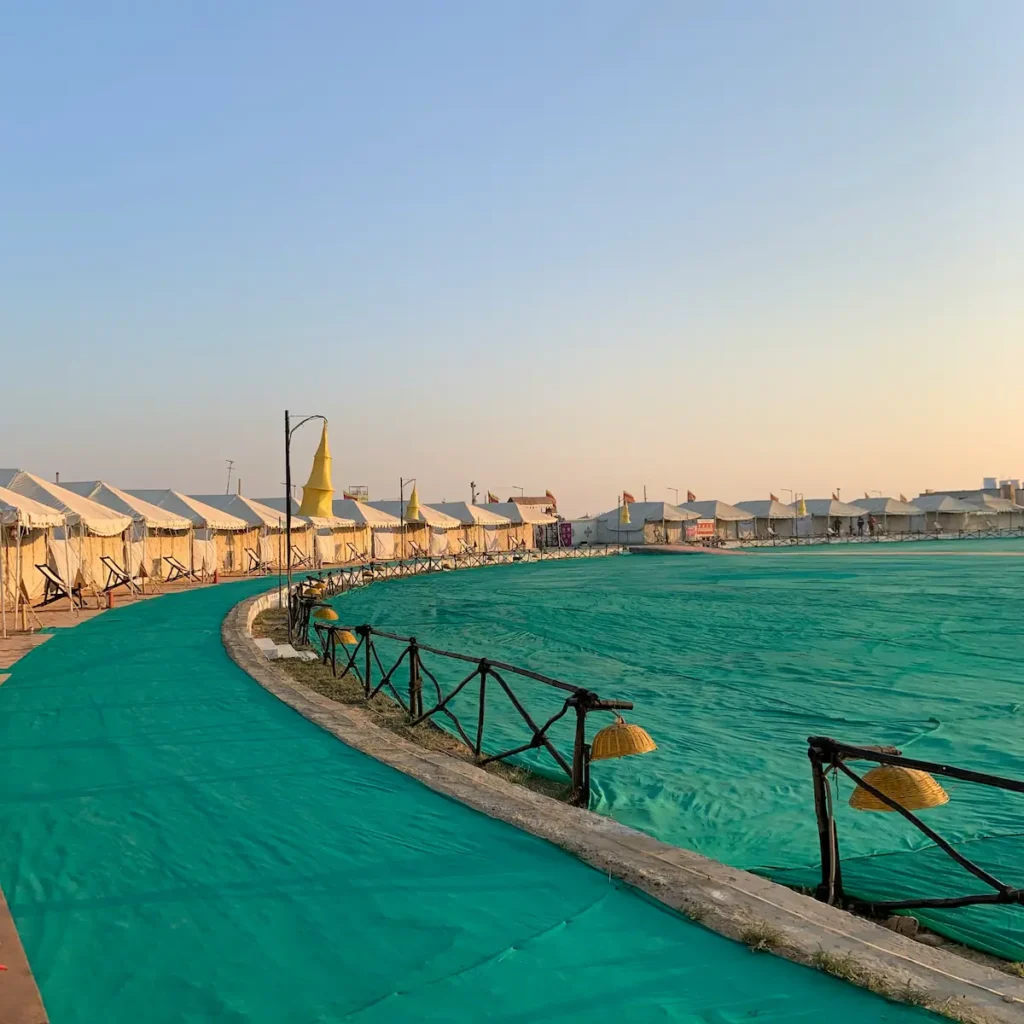
Option 1: Rann Utsav Tent City (Dhordo)
This is the official, sprawling “city” of luxury tents and cottages you see in all the pictures.
What It Includes:
- Your tent or cottage accommodation
- All meals (breakfast, lunch, high-tea, dinner)
- Nightly cultural programs (folk music, dance performances)
- Organized sightseeing tours (like to Kalo Dungar, the Black Hill)
- Often: Your permit is handled for you
- Basic desert walks and camel rides
Accommodation Tiers:
- Budget Non-AC Tent: ₹5,200–₹8,500/night (basic, shared bathrooms, minimal heating)
- Standard AC Tent: ₹12,000–₹18,000/night (private bathroom, heating, decent comfort)
- Premium Swiss Cottage: ₹25,000–₹55,000+/night (luxury, full amenities, excellent service)
Pros:
- It is the pinnacle of convenience
- Everything is arranged for you
- Great for first-timers who want “book it and forget it”
- You’ll meet lots of travelers from across India and abroad
- Infrastructure is solid (medical help, electricity, restrooms)
Cons:
- It is the most expensive option
- Can feel a bit insulated from the “real” Kutch
- It’s crowded, especially in peak season
- Food is repetitive (mostly Gujarati vegetarian)
- It feels touristy (because it is)
Booking Strategy for Tent City
- Full Moon Nights: Book 4–5 months in advance (these sell out fast)
- Peak Weeks (Dec 20–Jan 5): Book 3–4 months in advance
- Other peak dates (Dec 1–20, Jan 6–31): 2 months advance
- Off-peak (Oct–Nov, late Feb): 1 month is usually fine
Where to Book:
- Official Rann Utsav website
- Travel websites (MakeMyTrip, Goibibo, Expedia)
- Tent city operators directly
- Local travel agencies in your city
What to Expect at Tent City
The Good
- The white desert sunrise and sunset are genuinely stunning
- Cultural performances are well-organized and entertaining
- Staff is usually friendly and helpful
- You’ll meet interesting people from all over India and abroad
- Camel rides are fun (if you like animals)
- The sense of community among travelers is real
The Reality Check
- It’s crowded, especially on weekends and during peak season
- Food is repetitive (mostly Gujarati vegetarian dal, roti, vegetables, rice)
- Wi-Fi is spotty—don’t expect reliable connectivity
- Nights can be cold and uncomfortable in basic tents (even with heating)
- Restrooms can get messy during peak times
- It feels touristy (because it absolutely is)
Activities: What’s Included vs. Extra Cost
Before selecting your packages, please confirm with your tour provider.
Included (Usually in Your Package)
- Desert walks (guided or self-guided)
- Basic camel rides (1–2 hours)
- Evening cultural performances (folk dances, music)
- Visit to Kalo Dungar (Black Hill—highest point with panoramic views)
Extra Cost Activities
- Paramotoring: Fly over the desert with a parachute (₹4,000–₹8,000)—thrilling but pricey and weather-dependent
- ATV Biking: Ride across the salt desert (₹2,000–₹3,500)—fun and adventurous
- Photography Tours: Professional guides for sunset/sunrise sessions (₹1,000–₹2,000)—worth it if you’re serious about photos
- Horse Rides: Alternative to camels (₹500–₹1,000)
Pro Tip: Most premium activities are worth skipping unless you’re really into them. The honest truth is that the best part is wandering the white desert, taking photos, watching sunsets, and having conversations with fellow travelers.
Option 2: Nearby Resorts or Local Homestays (Bhungas)
The villages around Dhordo, like Hodka and Bhirandiyara, offer many smaller, privately-owned resorts and traditional bhungas (circular mud huts with local families).
Pros:
- This is a much more authentic and intimate cultural experience
- You’ll be staying with local families, eating home-cooked food
- Significantly more budget-friendly (₹1,500–₹4,000/night)
- You’ll get real insights into local life
- Fewer tourists, more genuine connections
Cons:
- You are completely on your own
- You must arrange your own permits (relatively easy for Indian nationals)
- You must hire your own taxi for all sightseeing
- You must find and arrange your own meals
- It requires more planning and independence
Recommendation: This option is fantastic for adventurous travelers, budget-conscious visitors, or those seeking authenticity. But if this is your first time in Kutch and you’re arriving solo, the tent city is safer and easier.
Cost Breakdown: Budget Scenarios
Budget Traveler (3 nights)
- Tent City (basic non-AC tent): ₹18,000 (₹6,000/night × 3)
- Transport (train/bus from your city): ₹2,000
- Extras (activities, tips, snacks): ₹3,000
- Total: ₹23,000 (~₹7,700/night average)
Mid-Range Traveler (3 nights)
- AC Tent + all meals: ₹45,000 (₹15,000/night × 3)
- Flight/Train to Bhuj: ₹5,000
- Activities & food outside tent city: ₹10,000
- Total: ₹60,000 (~₹20,000/night average)
Luxury Traveler (3 nights)
- Premium Swiss cottage: ₹75,000 (₹25,000/night × 3)
- Flight (both ways): ₹8,000
- All activities, special experiences, alcohol: ₹20,000
- Total: ₹103,000 (~₹34,000/night average)
What to Pack: Rann Utsav Packing Checklist
Packing for the Rann is tricky because it’s hot during the day and freezing at night. The #1 mistake first-timers make is underestimating the cold. The desert gets to single-digit Celsius (40s Fahrenheit) as soon as the sun goes down.
Your Mantra: LAYERS
For the Cold Nights & Mornings
- A heavy jacket or parka (non-negotiable)
- Thermals or long underwear
- A beanie (woolen cap) and scarf/muffler
- Woolen socks and closed shoes (sneakers are fine)
- Hot water bottle (some tents provide, but bring backup)
For the Sunny Days
- Comfortable cotton t-shirts and light pants
- Sunglasses (the white salt is blinding)
- A wide-brimmed hat or cap
- High-SPF sunscreen (50+)
- Lightweight scarf (for wind and dust)
Footwear
- Closed-toe hiking shoes (salt can cut bare feet—trust us on this)
- Soft indoor shoes or slippers for tent walking
- Sandals for easy removal
- Avoid: Flip-flops (salt terrain is tough), white shoes (salt staining)
Health & Safety Must-Haves
- Basic first-aid kit
- Any regular medications (bring 2x quantity)
- Electrolyte tablets (desert dehydration is serious)
- Lip balm and moisturizer (desert air is extremely dry)
- Antihistamines (for dust allergies)
- Toilet paper (yes, really—restrooms sometimes run short)
Essentials
- Your ID: Passport (for foreigners) or Aadhar/Voter ID (for Indians) for the permit
- Reusable water bottle (stay hydrated constantly)
- Phone power bank (essential for photos and emergency)
- Camera
- Small backpack for day trips into the desert
- Cash (while many places take cards/UPI, local artisans and small shops are cash-only; ATMs are only in Bhuj)
The Full Moon Experience: Worth It or Hype?
What’s Special: On full moon nights, the white desert glows naturally under moonlight. It’s genuinely magical and creates incredible photo opportunities. The landscape transforms into something almost unreal.
The Catch: Full moon dates sell out 5+ months in advance and cost 30–50% more than regular dates.
Smart Move: Book nights just before or after full moon. You get 80% of the magic at 50% of the price, and you’ll encounter fewer crowds while still experiencing the luminous desert.
Important Practical Details
For Foreign Tourists & International Visitors
- You’ll need a permit—apply in person at the DSP office in Bhuj (see permit section above)
- Cost: ₹500–₹1,000
- Keep your passport handy at all times
- English is widely spoken at tent city, but Hindi is the backup language in villages
- ATMs accept international cards in Bhuj
Weather & Packing:
- January nights can drop to 8°C (bring real winter clothes!)
- Daytime can be 20–25°C (sunny and warm)
- Dress in layers—you’ll need them. Remove layers as the day warms up
- Wind can be strong, especially in November and January
Connectivity Reality
- Mobile networks work but can be spotty in the desert
- Download offline maps before arriving (Google Maps works fine offline)
- Wi-Fi in tents is unreliable; don’t plan to work or stream
- Bring a power bank and ensure devices are charged daily
Food Reality
- All vegetarian (strict policy in Tent City)
- Mostly Gujarati cuisine (dal, roti, vegetables, rice, khichdi)
- Food is edible but repetitive over multiple days
- Some travelers discreetly bring snacks they like
- Outside food is discouraged but possible if you venture into villages
Common First-Timer Mistakes (Learn From Others)
- Booking too late – Full moon and peak dates sell out months ahead; plan 2–4 months in advance
- Choosing the wrong tent type – Premium tents are genuinely worth it for comfort and warmth
- Underpacking warm clothes – Desert nights are surprisingly cold; this is the #1 regret
- Not getting permits in advance – For foreign nationals, apply early; it’s a separate process
- Arriving without cash – ATMs are only in Bhuj, not at tent city; bring ₹5,000–₹10,000 in cash
- Not asking about what’s included – Read your package details carefully; don’t assume
- Going during peak season without realistic expectations – Crowds are real in Dec–Jan; be prepared
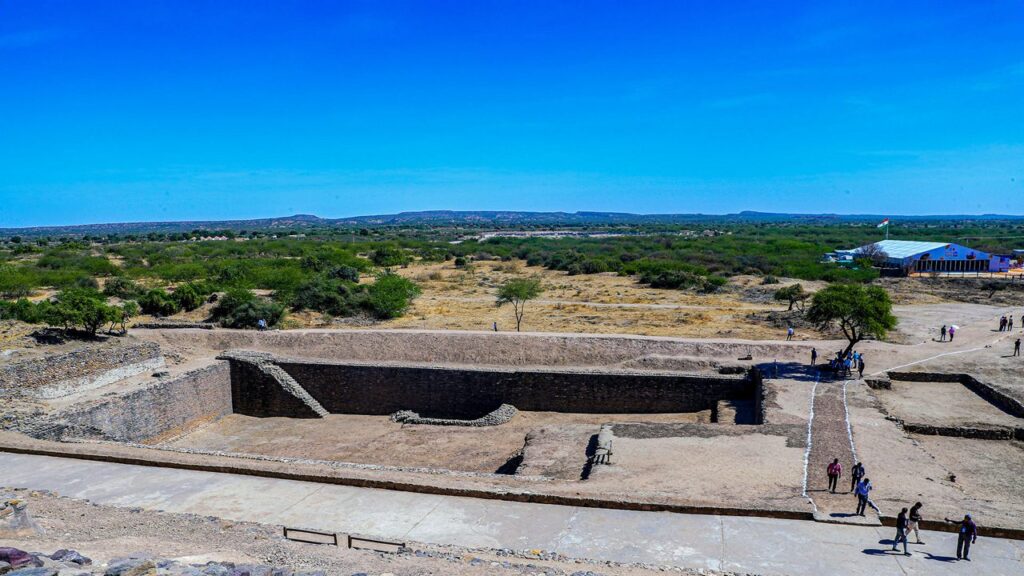
The New 2025 Highlight: Dholavira
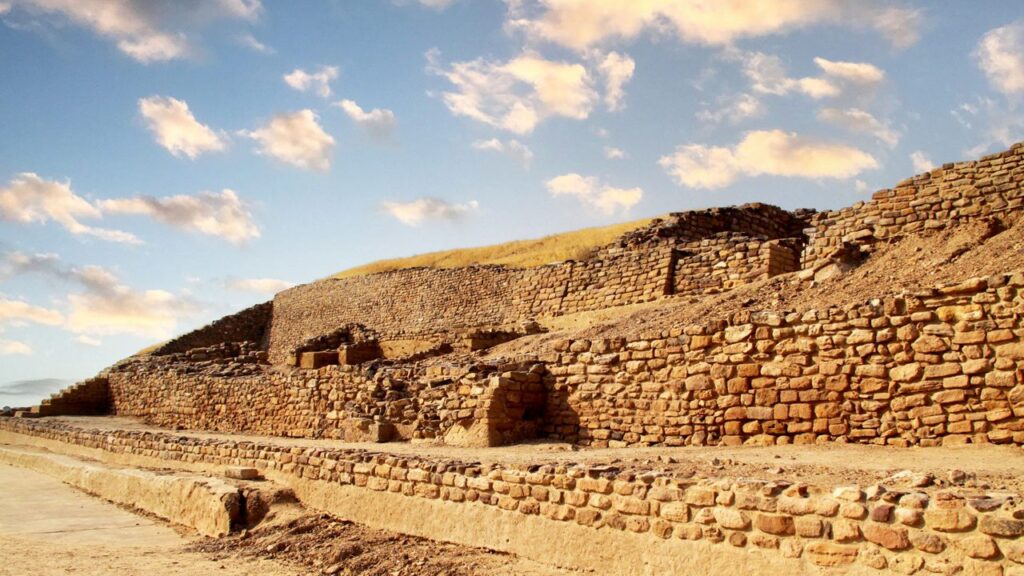
For 2025–2026, Rann Utsav is heavily promoting Dholavira, a UNESCO World Heritage Site that’s one of the five largest Indus Valley Civilization settlements (dating back 4,600 years).
Why Visit Dholavira?
- It’s a perfectly planned ancient city with clear streets, drainage systems, and water management
- It offers a fascinating window into human civilization from 3300–1300 BC
- The scale is breathtaking—it’s massive and eerily preserved
- It’s about 170 km from Bhuj, so it’s doable as a day trip or multi-day extension
Logistics:
- Distance from Bhuj: 170 km
- Best time: October–February
- Entry fee: ₹40 (Indian), ₹600 (Foreign nationals)
- Duration: Half-day to full-day visit
- Transport: Hire a taxi or book a guided tour through tent city
Recommendation: If you have 4+ days in the region, definitely add a Dholavira day. It elevates your Rann Utsav experience from “tourist destination” to “cultural deep-dive.”
Other Worth-Visiting Places in the Region
- Ekal ka Rann: Quieter, lesser-known part of the desert (80 km away)—perfect for solitude and photography
- Bhujodi Village: Authentic artisan experiences, handweaving, traditional crafts
- Kalo Dungar (Black Hill): The highest point in Kutch with panoramic desert views
- Mandvi Beach: Combine desert with beach; also home to Vijay Vilas Palace (1920s architecture)
- Little Rann Wildlife Sanctuary: For eco-tourism and birdwatching (especially in monsoon)
Is Rann Utsav Right for You?
BOOK IT IF You:
- Love photography and visual experiences
- Are okay with crowds (especially in peak season)
- Have 3+ days to spend
- Are willing to spend ₹15,000–₹40,000 per night
- Want a “once-in-a-lifetime” iconic Indian experience
- Are traveling in a group (more fun and cost-sharing)
SKIP IT IF You:
- Are on an ultra-tight budget (under ₹10,000/day)
- Hate crowds and chaos
- Seek deep, authentic cultural immersion (this is curated for tourists)
- Dislike extreme temperatures (both heat and cold)
- Need perfect comfort and reliable connectivity
- Have less than 2 days
- Travel primarily for solitude and nature (without the “festival” vibe)
Traveler Feedback: What People Actually Say
Positive:
- “Sunrise was breathtaking. Photos don’t do it justice. Worth every rupee.”
- “Cultural performances exceeded my expectations. Staff was incredibly helpful.”
- “Best decision: booking off-season in November. Fewer crowds, same magic, half the price.”
- “Camel rides were fun; the desert walks were meditative. Staff was warm and welcoming.”
- “First-time experience at a festival. Will definitely come back.”
Mixed/Neutral Reports:
- “Beautiful but touristy. Not as authentic as I hoped. Good for first-timers, but seasoned travelers might find it overdone.”
- “Food got boring by day 2. Wi-Fi didn’t work. But the sunsets made up for it.”
- “Worth visiting once, but prices are steep for what you get. Crowds are intense in January.”
- “Amazing experience, but expectations vs. reality—it’s more of a festival/fair than a desert retreat.”
Negative Reports:
- “Overhyped for the cost. Crowded mess in January. Would have been better in November.”
- “Cold nights made sleep difficult even in AC tent. Breakfast was too early.”
- “Hidden costs added up; value wasn’t there. Staff wasn’t as friendly as expected.”
- “Felt like a tourist trap. Authentic culture was hard to find in the tent city.”
The Pattern: People who book smartly (off-peak timing, right accommodation tier, realistic expectations, and 3+ days) genuinely love it. Those expecting paradise on a budget, seeking total authenticity, or going during peak season often regret it.
Final Verdict: Should You Go to Rann Utsav 2025-2026?
Rann Utsav is real, it’s beautiful, and it’s memorable. It’s not life-changing magic, but it’s genuinely worth experiencing once. The white desert is stunning, the performances are entertaining, and if you plan smartly, you’ll have great memories and an unforgettable experience.
Go in with realistic expectations, pick the right accommodation tier for your comfort, book in advance (2–4 months), and embrace the crowds and the chaos. You’ll have a great time.
Ready to Book Your Rann Utsav 2025 Trip?
The great Rann of Kutch is more than a destination; it’s a feeling. It’s the silence of the desert, the warmth of Kutchi people, the vibrant cultural performances, and the magic of a salt-crusted earth meeting a star-filled sky.
But as a first-timer, planning the permits, transfers, and bookings can feel overwhelming. You don’t want to be worrying about paperwork and logistics when you should be watching the sunset.
Still have questions? Drop them in the comments below.
Your Rann Utsav adventure awaits – let’s make it unforgettable.
